


Subscribe for NMSafety News
What Industries Need a Puncture Resistant Glove Most?
20 Dec, 2025
By hqt
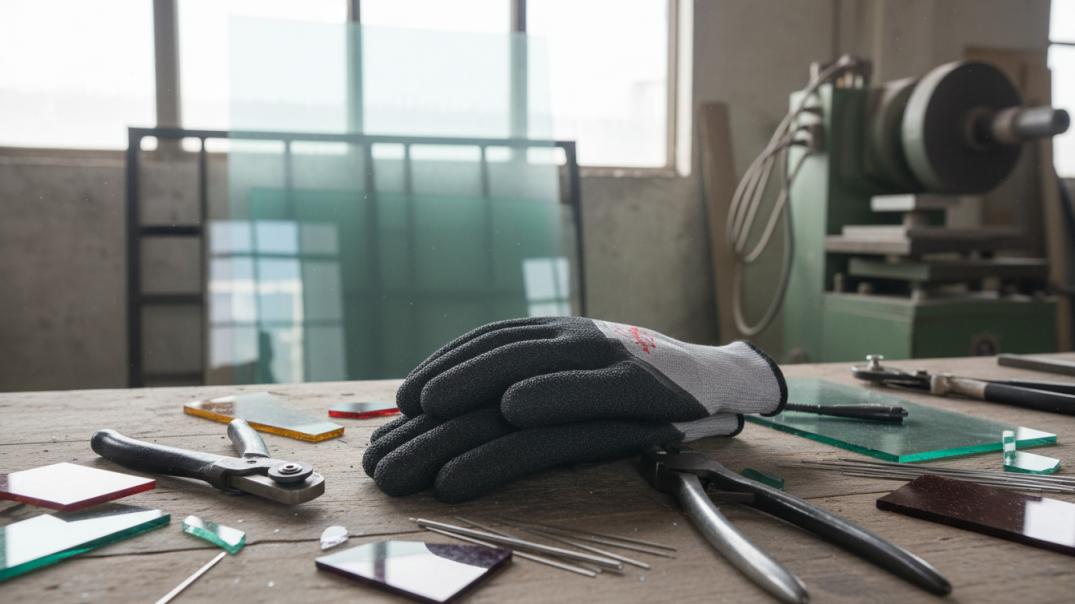
A Puncture Resistant Glove is more than a normal safety glove. It is designed to help protect hands from sharp points like needles, glass splinters and metal shards. Inside, special fibers and materials spread the force of a sharp tip so it cannot easily break through to the skin. This type of glove is now common in many safety catalogs and PPE programs. But not every industry faces the same level of risk. Some workers meet hidden puncture hazards every single day. So, which industries need a Puncture Resistant Glove the most?
What Makes a Puncture Resistant Glove So Important?
Traditional cut-resistant gloves are built to handle blades, sheet edges and general abrasion. But in real workplaces, many threats are much more focused: the fine tip of a needle, a tiny glass splinter, or a thin metal wire. These can behave like a mini “spear” and slip through gaps that normal cut protection cannot stop.
That is the main job of a Puncture Resistant Glove – to spread that concentrated pressure and prevent it from reaching the skin.
For safety managers, the pain points are very real:
• Minor-looking puncture wounds that still require medical checks and incident reports
• Workers losing confidence after repeated hand injuries
• Rising compensation and insurance costs due to avoidable accidents
• Gloves being removed because they feel thick, sweaty, or hard to work in
SRSafety developed its needle Puncture Resistant Glove to solve these problems in a practical way. The glove uses an 18-gauge liner made from nylon, HPPE and steel fiber. This construction is thin and flexible enough for precise handling, but strong enough to deliver ANSI cut resistance level A9 and ANSI needle puncture resistance level 5 in the palm and fingers.
On top of the liner, a crinkle latex half coating covers the palm and part of the back of the hand. This adds durability and gives a confident, secure grip in dry conditions – especially important when holding smooth glass, metal or tools.
The result is a Puncture Resistant Glove that feels closer to a normal work glove, but offers the kind of protection demanded in high-risk tasks.
Where Do Puncture Risks Hide in Everyday Work?
Not every hazard is obvious. Many sharp objects are small, hidden or unpredictable. That is why some industries benefit especially from a reliable Puncture Resistant Glove.
- Glass and Window Production
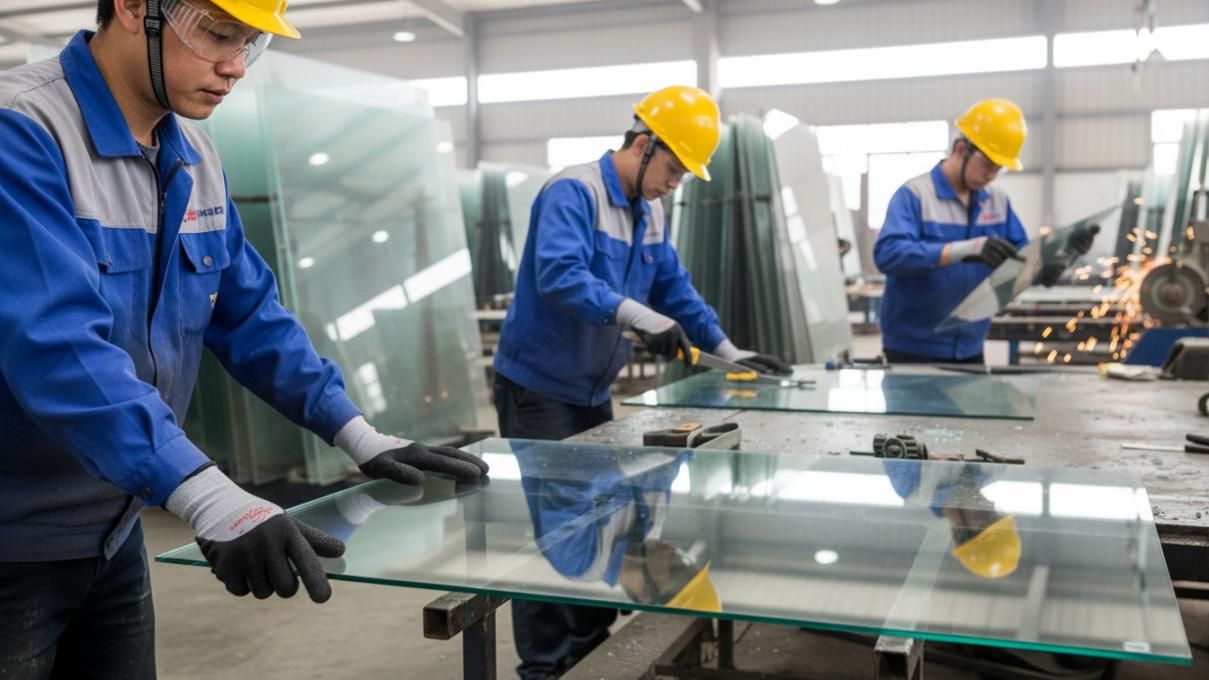
In glass plants and glazing workshops, people do far more than carry big panels. They cut, grind, edge and install glass all day long. That creates:
• Fine shards from cutting and trimming
• Chips on freshly cut edges
• Irregular, broken shapes during rework or dismantling
These particles are often too small to notice until they are already in the skin. A standard cut-resistant glove may protect against broad edges, but a sharp point can still find its way through weaker zones.
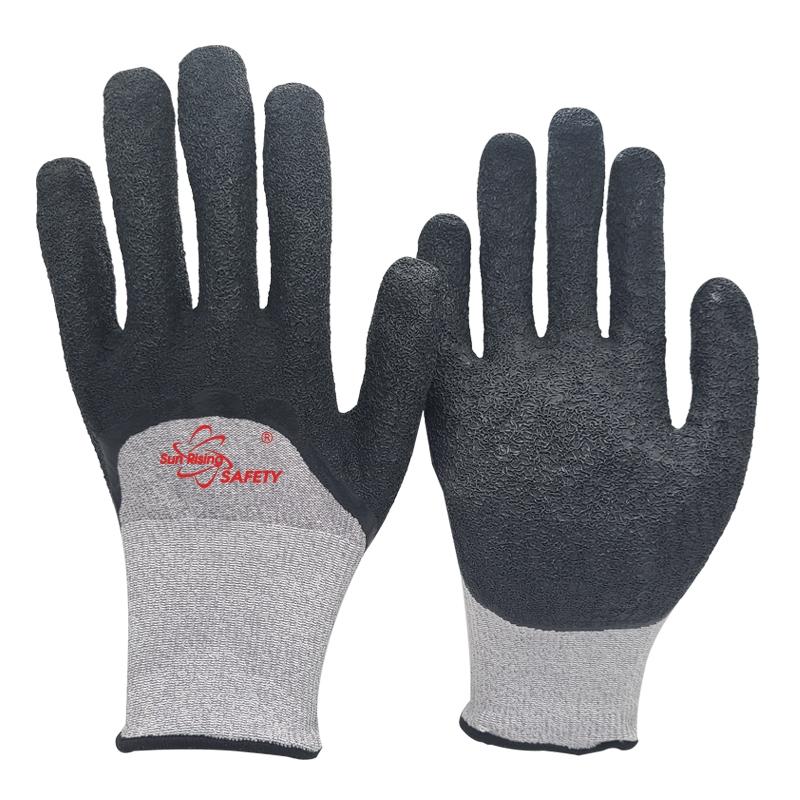
SRSafety’s glove targets the palm and fingers, where glass is usually held and guided. The steel fiber in the liner strengthens these zones against point loads, while the 18-gauge construction keeps the glove slim enough for accurate positioning of seals, fittings and fasteners.
- Steel Processing and Metal Fabrication
In steel service centers, welding shops and metal fabrication, hands meet sharp edges constantly:
• Sheet metal with freshly cut edges and burrs
• Sections and profiles with rough surfaces
• Fine scrap pieces, wire ends and trimmings
Typical injuries here are repeated punctures in the same areas – tip of the index finger, side of the thumb, base of the palm. They may not look dramatic, but they can easily become infected and lead to time off.
Using a Puncture Resistant Glove with HPPE and steel fiber helps block these small but dangerous points. The crinkle latex coating supports a firm hold on dry metal, reducing slips that suddenly push a hand into a sharp corner. For supervisors, that means fewer first-aid interventions and a more stable workflow.
- Automotive, Assembly and General Manufacturing
On assembly lines, puncture risk comes from a mix of small, sharp components:
• Metal clips and brackets
• Screws and fasteners
• Cut plastic edges and cable ties
Workers need freedom of movement to keep cycle times on target. One of the most common complaints is simple: “Safe gloves are too thick; thin gloves are not safe.”

A lightweight 18-gauge Puncture Resistant Glove helps break this trade-off. Nylon brings breathability, HPPE adds cut resistance, and steel fiber boosts puncture protection – all in a slim profile. With a more comfortable glove, employees are far more likely to wear it correctly for the whole shift instead of taking it off when tasks get delicate.
- Recycling, Waste Handling and Public Services
If your teams handle unknown materials, the risk jumps dramatically. In recycling plants, municipal waste streams and public cleaning services, bags and containers may hide:
• Broken bottles and ceramics
• Discarded needles and medical waste
• Jagged plastic and twisted metal
In these environments, a Puncture Resistant Glove becomes frontline PPE. Reinforced palms and fingers are essential, because that is where hands first touch unseen objects. The textured latex also improves grip on dusty, dirty or wet surfaces, helping workers maintain control of bags, bins and loose items.
For operators and city services, reducing hand injuries sends a strong message: “We take your safety seriously, even when the waste you handle is unpredictable.”
How SRSafety Supports Your Hand Protection Strategy
Deciding that you need a Puncture Resistant Glove is only step one. The next challenge is finding a partner who can support your safety standards, purchasing processes and brand image over the long term.
SRSafety focuses on industrial users and safety distributors, offering:
- Comfortable Protection Across Your Workforce
Our 18-gauge liner is available in multiple sizes from M through 3XL, helping you equip a wide range of hand shapes with a single glove line. With a slim, ergonomic fit, workers keep full range of motion and solid fingertip sensitivity throughout the shift. Behind that comfort is a durable mix of HPPE, steel fiber and crinkle latex, made to survive tough handling of glass, steel and equipment, cutting down on replacements and helping you plan PPE costs more easily.
- Volume Support And Stable Supply
With a minimum order quantity of 1200 pairs and a typical lead time of 60 – 120 days, SRSafety is prepared to support major rollouts, framework agreements and regular replenishment plans.
- Custom Branding And Presentation
We offer customized logo printing, color matching and packaging to fit your brand. That way, your Puncture Resistant Glove can follow your corporate color rules, safety category labels or private-brand strategy. Finally, the real return shows up not just in A9 cut and level 5 puncture numbers, but in fewer accidents, more confident hands and a safer daily routine for your team.
If your teams handle glass, steel, metal parts, recyclables or any material where sharp points can appear without warning, it may be time to rethink your hand protection.
Ready to strengthen your PPE program with a true Puncture Resistant Glove?
Reach out to SRSafety to discuss your specific tasks, request trial samples, or design a solution that fits your workforce. Together, we can put the right Puncture Resistant Glove on the hands that need it most – before the next sharp surprise appears.
