Home > BLOG > Glass Handling Anti-Cut Gloves: Advanced Protection for Sharp Edge Industries
Glass Handling Anti-Cut Gloves: Advanced Protection for Sharp Edge Industries
12 Jun, 2026
By hqt
Glass work is not only a job, but it is also about accuracy, stress, and risk management. A minor accident when working with sharp pieces of glass can cause severe injuries. It is there that glass handling anti-cut gloves are more than mere safety equipment. They are used as a daily protection for those in high-risk professions.
Since glass fabrication gloves were invented, the technology of PPE has evolved into something more powerful, lightweight, and more reliable than ever before, including glass installation safety gloves.
We create industrial-grade products at SR Safety Gloves that are designed to be used in the field. Read our selection here:
Why Glass Handling Anti-Cut Gloves are critical in the contemporary industry
Glass is unforgiving. Regardless of the type of glass (tempered, laminated, or flat), all edges may become cutting hazards. Employees in construction, automobile, and manufacturing sectors are exposed to sharp materials daily. That is why anti-cut safety gloves have become the norm in PPE compliance in industries.
The main dangers of glass handling:
Raw or broken glass cuts.
Slippage when lifting or installing.
Abrasion injuries in sheet movement.
Repetitive handling strain
During the recycling and disposal of glass.
Glass handling with cut-proof gloves can help minimize workplace injuries and enhance productivity simultaneously.
Glass Handling Cut-Resistant Gloves used in Industry
The industrial glass handling gloves are in demand in various industries. Different applications need a little more or less protection and grip.
Glass fabrication and processing
Employees require high-abrasion-resistant and precision grip glass processing safety gloves.
Construction and installation
The safety gloves used in the installation of windows and architectural glass are made to be handled and stabilized.
Automotive industry
Gloves used with automotive glass are used to protect when installing and removing the windshield.
Material Technology Behind Anti-Cut Gloves
The cut-resistant blue pvc-fully coated gloves are constructed with the help of high-tech fiber engineering. These materials characterize performance, durability, and comfort.
HPPE Fiber Technology
The HPPE cut-resistant gloves are commonly made with HPPE (High-Performance Polyethylene). It provides:
High tensile strength
Lightweight flexibility
Excellent cut resistance
Kevlar Reinforcement
Kevlar glass handling gloves are characterized by:
Heat and cut resistance
Long-lasting durability
Industrial-grade safety performance
Composite fiber blends
They are applied in engineered fiber safety gloves and provide balanced protection and comfort.
Steel fiber integration
Certain steel fiber cut-resistant gloves provide a high level of cut resistance in high-risk operations.
Types of Coatings to enhance grip and safety
In glass handling, grip is a significant factor. A loose grip poses a risk of accidents. This is the reason why coating is necessary in the glass handling gloves with a grip.
Nitrile coating
Oil resistance
Good hold on smooth glass.
Usually found in nitrile-coated cut-resistant gloves.
PU coating
High dexterity
Lightweight feel
Applied in PU-coated cut-resistant gloves.
Latex coating
Strong friction grip
Perfect in dry conditions.
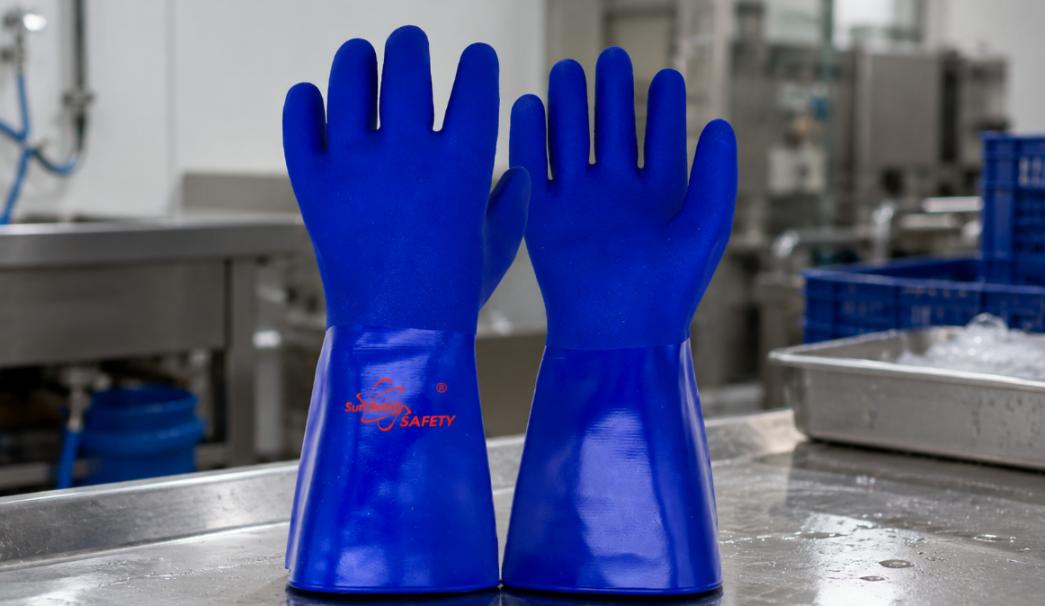
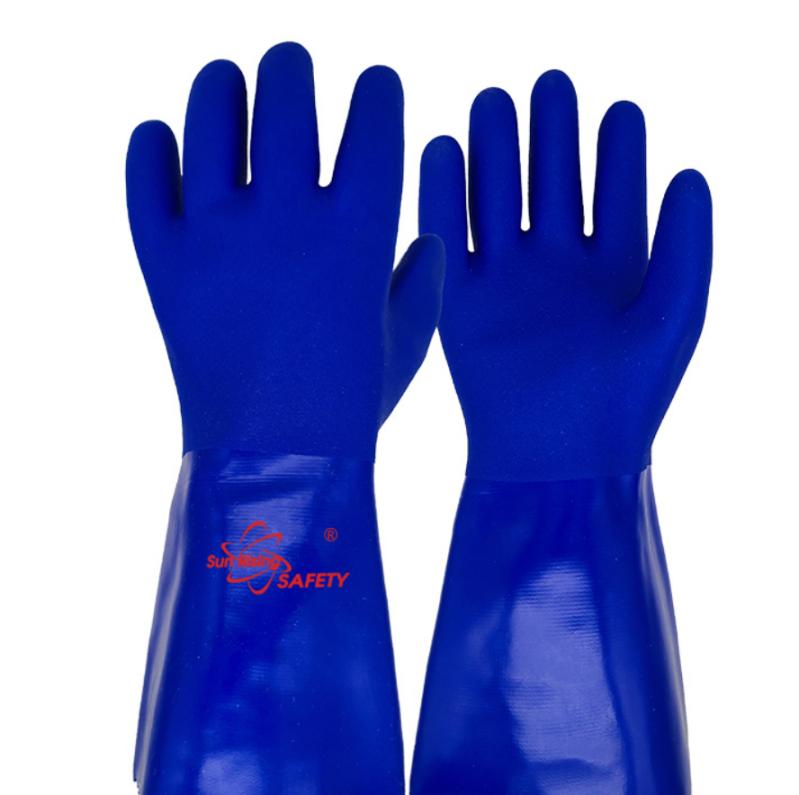
PVC coating
PVC-coated gloves such as our SR Safety model offer:
Enhanced durability
Water resistance
Strong anti-slip performance
Quality Gloves Safety Standards
Compliance is as important as material when it comes to choosing handling anti-cut gloves.
ANSI Cut Resistance Rating
ANSI cut resistance rating determines the amount of force that a glove can withstand before it cuts.
EN388 Certification
EN388 certified gloves are tested:
Abrasion resistance
Cut resistance
Tear resistance
Puncture resistance
Cut Levels Explained
Cut level A3 gloves: light industry use.
Cut level A4 gloves: moderate protection
Cut level A5 gloves: high-risk handling.
Cut level A6 gloves: extreme protection
Cut level E gloves: high cut safety.
Cut level F gloves: highest level of protection.
Such ratings assist consumers in selecting the appropriate work occupational hand protection.
The important characteristics of High Cut Resistant Glass Gloves
The gloves today are designed to perform, not just to protect. Essential features include:
Wet and dry superior grip gloves.
Anti-slip working gloves to handle with precision.
Long-lasting abrasion-resistant gloves.
Sharp edge puncture-resistant gloves.
Large dexterity gloves to perform delicate jobs.
Lightweight safety gloves for reduced fatigue
Long-shift breathable work gloves.
Comfortable knit gloves.
Cut-resistant gloves with a touchscreen cut feature to use in modern workplaces.
These characteristics render heavy-duty glass handling gloves applicable for continuous use in the industry.
Business and B2B Demand for Glass Handling Gloves
The world is increasing its demand for glass handling glove supplier networks. Companies are now more inclined towards bulk sourcing and own labeling.
Glass is an anti-cut glove manufacturer.
Handling gloves, wholesale of glass.
Supplier of bulk cut-resistant gloves.
OEM glass handling gloves manufacturer.
Safety gloves of a private label.
Partnerships with industrial glove manufacturers
Custom cut-resistant gloves with logo.
Distributor networks of safety gloves.
Glass handling gloves factory supply chain
At SR Safety Gloves, we assist B2B customers in scalable production and customization.
Selection of the Right Glass Handling Anti-Cut Gloves
Gloves are not all the same. It is selected based on application, material, and level of risk. Factors to consider:
Cut resistance level (A3 to F)
Coating type (Nitrile, PU, PVC, Latex)
Grip performance
Dexterity requirements
Contact with oil, water, or chemicals.
Comfort and time of work.
EN388 cut-resistant gloves that are reinforced on the coating are advised for heavy-duty conditions.
Conclusion:
Safety in glass industries is not a choice; it is a day-to-day need. The right glass handling anti-cut gloves minimize injuries, enhance confidence, and improve work efficiency. Fabrication, installation, or recycling, it is a real difference on the job site to select certified protection such as HPPE cut-resistant gloves or Kevlar reinforced gloves. SR Safety Gloves provides solutions that are designed to meet the real industrial needs and not paper specifications.When you need quality, tough, and high-performing anti-cut gloves, it is time to change your workplace protection to SRSafety Gloves. Since OEM manufacturing to bulk supply, we offer solutions that are geared towards industrial needs.